
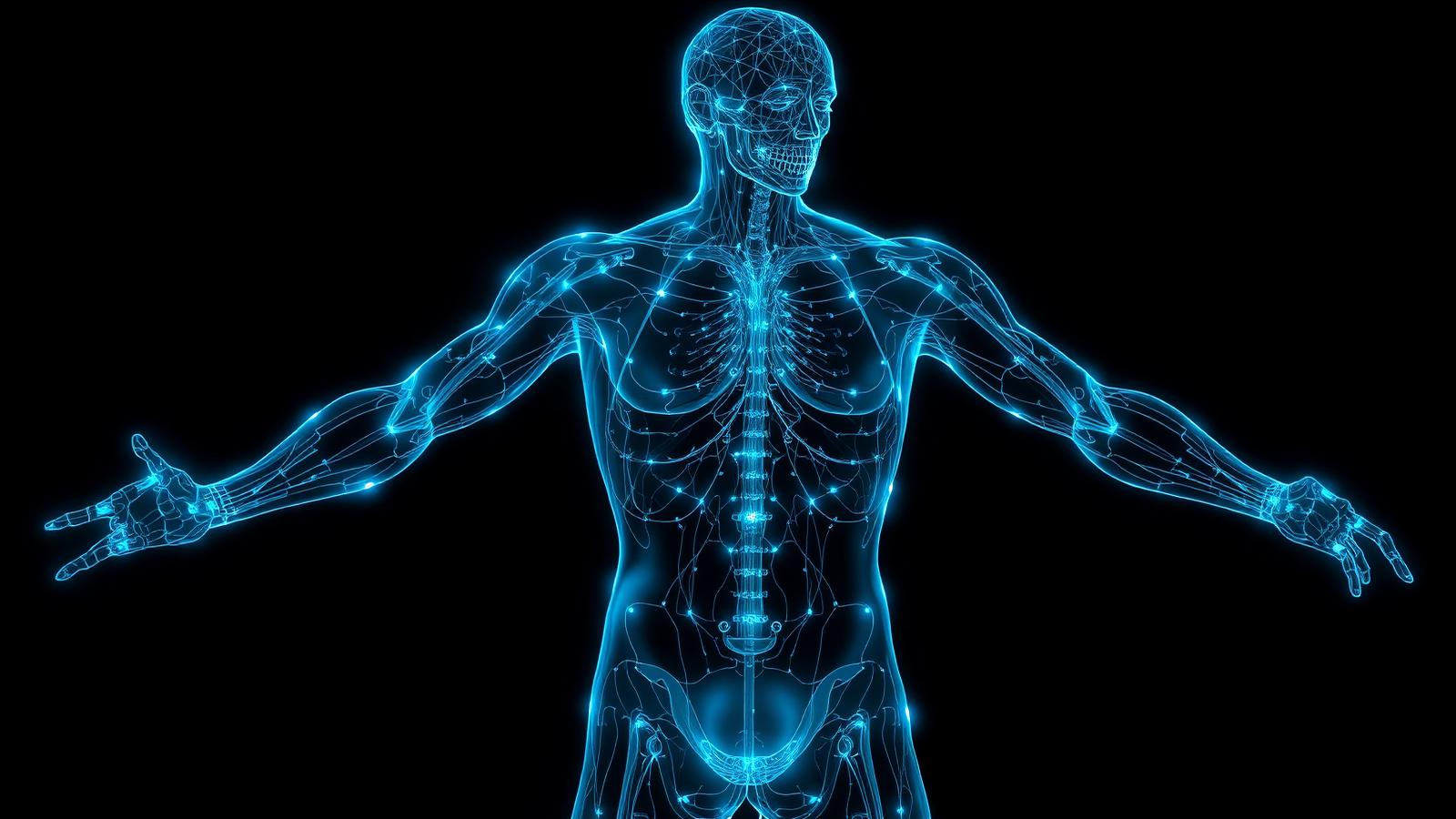
Healthcare Digital Twins
Patient digital twins are starting to influence treatment planning, surgical rehearsal, and chronic disease management. Here is the realistic state of the field.
7 min read
01What a patient twin contains
A clinical digital twin combines imaging, genomic data, longitudinal vitals, medication history, and lifestyle context into a single computational model of one patient. The model is then queried like a patient — but at simulation speed and with no risk.
Twins are most mature for cardiology, orthopedics, and certain oncology workflows where physiology is well modeled and outcomes are objective.
02How clinicians use them
Surgeons rehearse a procedure on the patient's twin before opening the patient. Oncologists compare treatment regimens by simulating each on the twin and watching predicted response curves. Cardiologists use twins to time interventions for chronic conditions.
In every case the twin augments the clinician's judgment. It does not override it.
03Open problems
The unsolved problems are data and governance. Twins need long, clean longitudinal data that most health systems do not yet collect. And they raise hard custody questions: who owns the model, who can query it, who must be informed when it is updated.
Progress is real and accelerating, but the field is years away from a twin being a routine line item in a clinical workflow.